

Key Takeaways (Quick Summary)
The Problem: Dimensional instability is the #1 cause of rework, often stemming from thermal drift (40-70% of errors) and improper clamping.
Strategy 1: Implement "Warm-Up" cycles to stabilize the machine thermally.
Strategy 2: Use "Roughing → Unclamping → Finishing" to release material stress.
Strategy 3: Adopt On-Machine Probing for real-time error correction.
The Ultimate Fix: Upgrade to high-rigidity equipment (like ASIATOOLS) to eliminate vibration at the source.
Introduction: The Hidden Cost of "Close Enough"
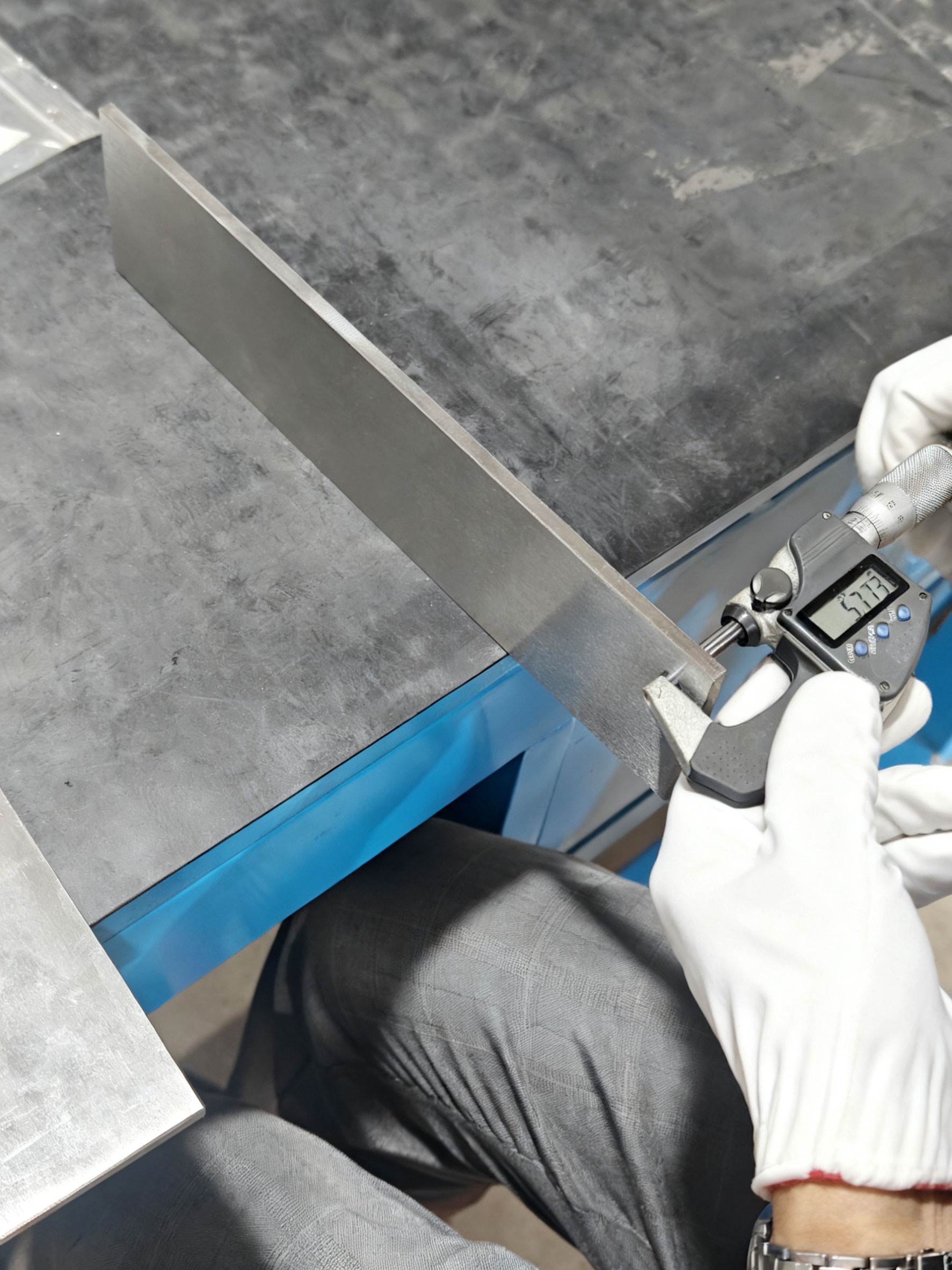
In precision manufacturing, poor dimensional accuracy is a profit killer. When critical dimensions exceed tolerances, parts fail assembly, leading to the dreaded "Rework Loop."
Rework doesn't just double your machining time; it disrupts delivery schedules, increases energy consumption, and destroys profit margins. But dimensional errors are rarely random—they are the result of specific, controllable variables.
How do you stop the bleeding? Here are five proven ways to stabilize your CNC process and significantly reduce rework frequency.
Way 1: Control Thermal Deformation (The Silent Killer)
Research indicates that 40% to 70% of dimensional errors are caused by thermal drift. As the machine spindle runs, it generates heat and elongates (Z-axis drift). If you start machining a precise bore on a cold machine, the dimensions will shift as the machine warms up.
- Actionable Tip: Implement a mandatory "Warm-Up Cycle" (15-20 minutes) at the start of every shift. This allows the spindle and ball screws to reach a stable operating temperature before the cutting tool touches the part.
Way 2: Optimize Clamping to Prevent "Spring-Back"
Many rework cases happen because the part was correct while clamped, but warped immediately after removal. This is elastic deformation caused by excessive clamping force.
- Actionable Tip: Adopt a "Two-Step Clamping" process.
- Roughing: Use high clamping pressure to hold the part securely against heavy cutting forces.
- Stress Relief: Loosen the clamps slightly or unclamp completely to let internal material stresses release.
- Finishing: Re-clamp with lower pressure (just enough to hold position) for the final finishing pass. This ensures the "machined shape" is the "final shape."
Way 3: Master Tool Management Wear Compensation
A wearing tool is a shrinking tool. If you are machining a batch of 100 parts, the 100th part will have different dimensions than the 1st due to tool wear.
- Actionable Tip: Don't rely on manual checks alone. Use Laser Tool Setters or automatic tool breakage detection. Program macro variables to automatically adjust the tool offset by X microns after every Y parts produced.
Way 4: Implement In-Process Probing (Don't Guess, Measure)
Why wait until the part is off the machine to find an error? By then, it's too late.
l Actionable Tip: Integrate On-Machine Probing (like Renishaw or Blum systems). Measure critical features before the final unclamping. If a hole is undersized by 0.02mm, the probe can feed this data back to the CNC controller, and the machine can automatically re-run the finishing pass to correct it. This is the definition of "Zero Rework."
Way 5: Upgrade to High-Rigidity Equipment (The Foundation)
Even with the best probes and warm-up cycles, you cannot overcome a physically weak machine. If the machine base vibrates or the column flexes under load, dimensional accuracy is physically impossible.
This is where the equipment choice becomes the deciding factor.
The ASIATOOLS Solution: Built for Stability
While the first four strategies optimize the process, ASIATOOLS solves the problem at the hardware level.
Manufacturers facing frequent rework often find that their current machines lack the structural rigidity to hold tight tolerances over long periods. ASIATOOLS High-Precision Machining Centers (such as the WJ-800 series) are engineered to be the antidote to instability:
- Heavy Duty Casting: Unlike lightweight commercial machines, ASIATOOLS uses high-grade Meehanite cast iron with optimized ribbing. This absorbs vibration (chatter), ensuring that the tool tip stays exactly where commanded.
- Thermal Stability Design: Our machines feature symmetric structures and active cooling options to minimize the thermal drift mentioned in Way #1.
Precision Components: With premium guideways and ball screws, we ensure that positioning accuracy remains consistent throughout the day, from the first part to the last.
Conclusion
Frequent rework is not a "normal" part of manufacturing; it is a symptom of unstable processes.
By controlling heat, managing stress, and validating dimensions in real-time, you can drastically reduce rejection rates. However, the most effective long-term strategy is to build your production on a solid foundation.
Stop fighting your machine to hold tolerance. Upgrade to ASIATOOLS and experience the difference that structural rigidity makes. Contact us today to find the right high-precision solution for your shop floor.