

CNC Drilling Machine vs Machining Center: Which Is More Cost-Effective?
For repeat parts dominated by drilling and tapping, a CNC drill-tap center is usually the lower-cost choice. A general-purpose machining center is worth the higher purchase price when the same part also needs substantial milling, boring, larger fixtures, or heavier cuts. Neither machine is cheaper for every job. Compare the cost of a finished, accepted part, not just the machine quote.
In this article, “CNC drilling machine” means a drill-tap center with automatic tool changing, not a single-spindle drill or a machine built solely for deep-hole drilling.
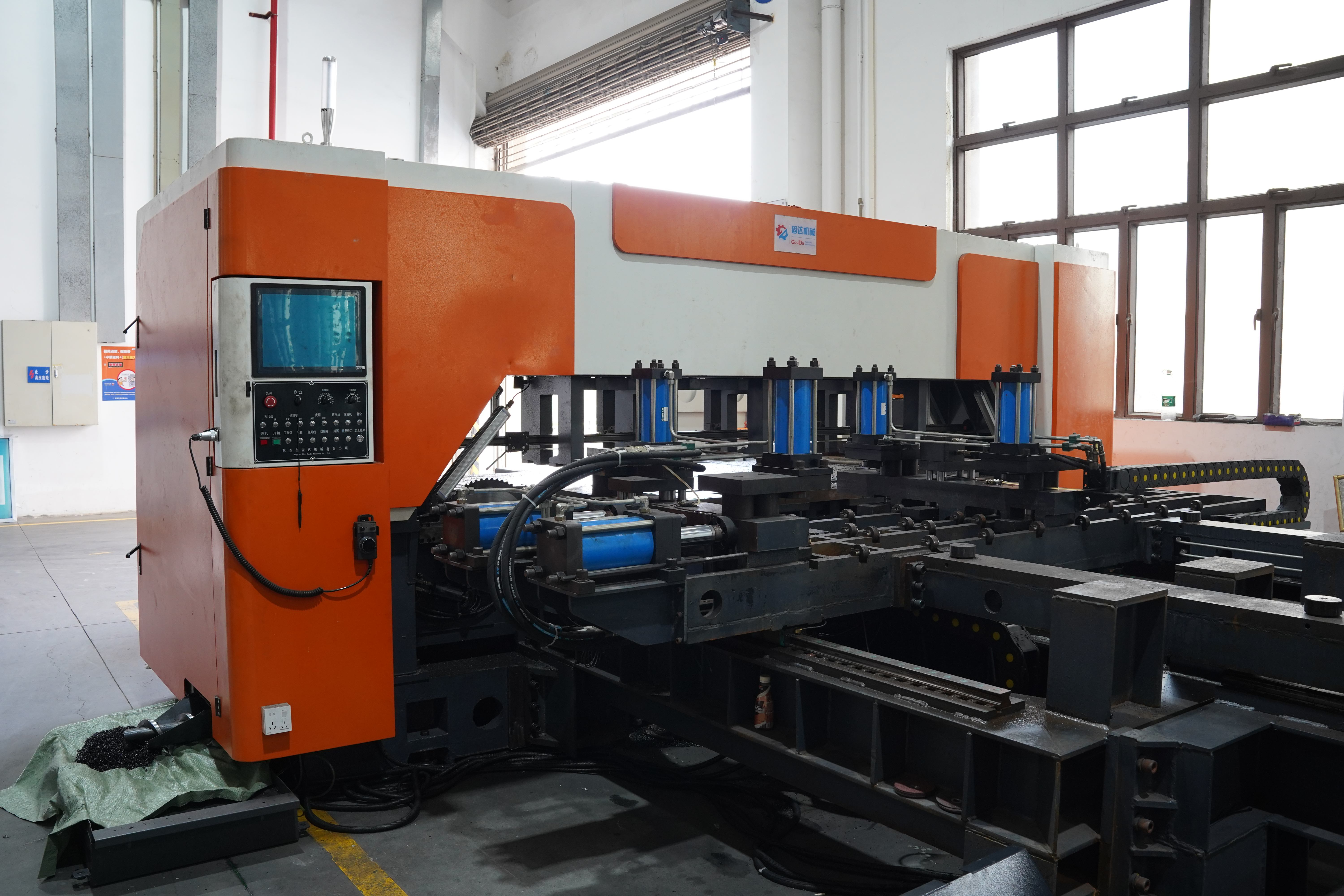
What changes the cost?
| Cost factor | Drill-tap center | General-purpose machining center |
|---|---|---|
| Best-fit work | Repeat parts with many holes, tapped features, and light milling | Parts needing substantial milling, boring, larger fixtures, or varied operations |
| Purchase decision | Check whether its lower quote still covers every required operation | Check whether fewer setups or less outsourcing justify the higher quote |
| Production decision | Measure the complete cycle, including any milling it must perform | Measure the complete cycle and count any operations completed in one setup |
| Main cost risk | A second machine or outside supplier may be needed to finish the part | Extra capacity and capability may sit unused on simple hole-making jobs |
A drill-tap center can still mill. A machining center can still drill and tap. The useful question is whether either machine can finish your part at the required rate and quality. The distinction matters most when a job combines many holes with pockets or faces: faster tool changes may help the drill-tap center, while more demanding milling may favor the machining center. ASIATOOLS’ drill-tap center and VMC comparison examines that trade-off at the job level.
Compare the full cycle, not the tool-change claim
Count tool changes in the program, not holes on the drawing. One drill may make 30 holes before the machine changes tools once.
Suppose a drill-tap center saves 30 seconds per accepted part across an order of 20,000 parts a year. That releases about 167 machine hours a year: 20,000 × 30 seconds ÷ 3,600. Those hours have financial value if they replace overtime, reduce outsourcing, or make room for orders the shop can actually fill. If the machine takes longer to mill the same part, some or all of the saving disappears.
For a fair trial, record loading, probing, cutting, tool changes, chip clearing, inspection, and any work done on a second machine. ASME B5.54 provides a framework for performance evaluation and acceptance testing of CNC machining centers; the supplier and buyer should agree on the tests and acceptance limits before the trial.[1]
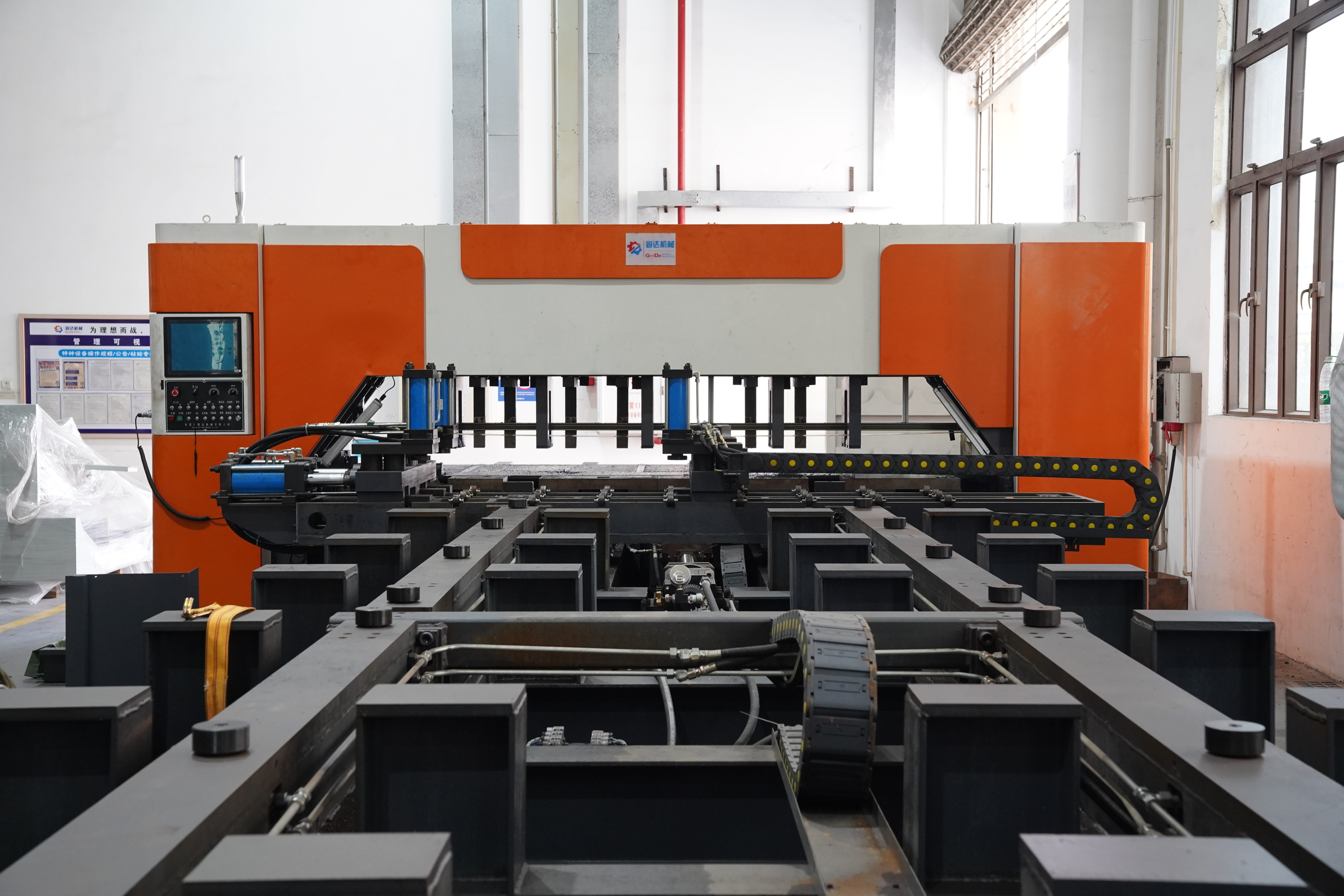
Check whether the whole setup fits
A part can fit on the table and still be impossible to machine with its fixture and longest tool installed. Add the weight of the workpiece, fixture, mounting plate, and any rotary accessory. Check travel, spindle clearance, and tool-change clearance separately.
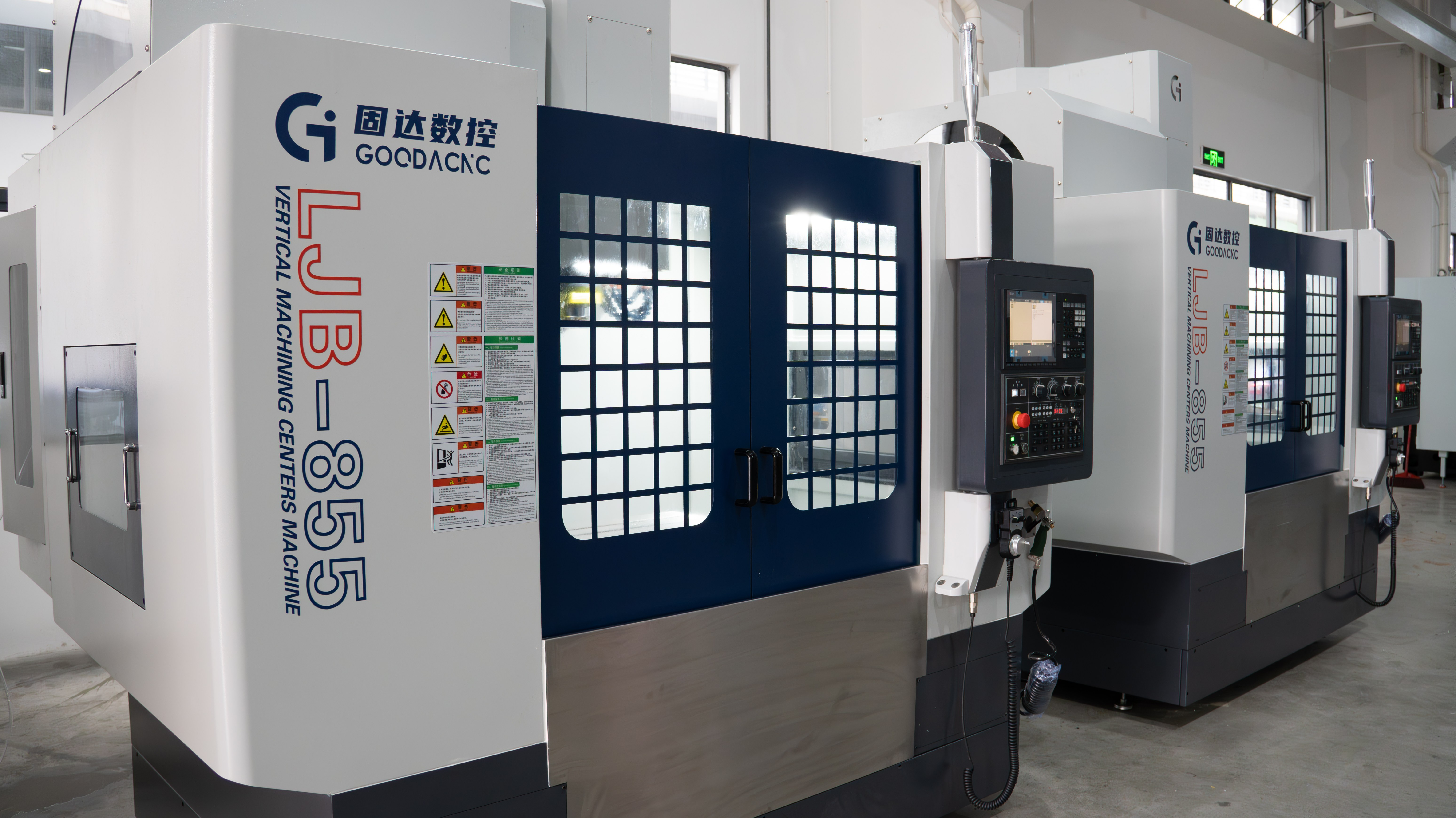
As a concrete reference, the published specifications for the ASIATOOLS LJ-855 vertical machining center list 800 × 550 × 550 mm X/Y/Z travel, a 500 kg maximum table load, a BT40 spindle rated at up to 8,000 rpm, and a 24-tool magazine. Its stated machine dimensions are approximately 2.6 × 2.3 m on the floor. That footprint is the machine itself; leave additional room for access and maintenance when planning the shop layout.
Published positioning accuracy is not a promise that every finished hole will meet the same tolerance. ISO 230-2 describes how to evaluate the positioning accuracy and repeatability of CNC axes. Finished-part accuracy also depends on the tool, fixture, cutting conditions, temperature, and measurement method.[2]
Put both quotes into the same cost calculation
Cost per accepted part = total cost of producing the batch ÷ number of accepted parts. Include equipment ownership, labor, tooling, energy, setup, maintenance, outside operations, and rework where they differ between the two choices. Keep your selling price separate from your production cost.
| Illustrative calculation | Result |
|---|---|
| Machining center costs RMB 150,000 more than the drill-tap center | RMB 150,000 additional upfront cost |
| Using the machining center avoids RMB 50 of outside machining per accepted part | RMB 50 potential saving per part |
| RMB 150,000 ÷ RMB 50 | 3,000 accepted parts to recover the price difference |
| At 1,000 accepted parts per year | Approximately three years, before other cost differences |
These are example inputs, not market prices or measured savings. If the outside operation costs only RMB 20 per part, the break-even quantity rises to 7,500 parts. If orders stop after 2,000 parts, the higher purchase price is not recovered through that saving alone.
Small batches need a separate setup check. An extra 30 minutes of setup adds 90 seconds per part to a 20-part batch, but only 0.9 seconds per part to a 2,000-part batch. A machine that looks quicker during cutting can lose its advantage when the shop changes jobs several times a day.
What counts as convincing experience?
A buyer does not need an anonymous “shop story.” They need a trial they can inspect. Ask each supplier to run the same drawing, material grade, fixture plan, tool list, and batch quantity. Record the following before choosing a machine:
- Time: setup time, complete cycle time, and time spent on any second machine or outside operation.
- Quality: measured results for the drawing’s critical features, plus rejected and reworked parts.
- Tooling: tool replacements, wear, chip problems, and whether the proposed magazine holds all production and backup tools.
- Conditions: material grade and hardness, machine and spindle configuration, operator involvement, and measurement method.
Keep the first-part report and samples from later in the run. Twenty or 30 parts may reveal an obvious problem, but a short trial alone does not establish long-term process capability. For a tight bore, check the actual tolerance shown on the drawing; ISO 286-2 defines the system of limit deviations for hole and shaft tolerance classes, rather than assigning one H7 limit to every diameter.[3]
This is the experience that improves a purchasing decision: a documented comparison under the buyer’s conditions. No customer case, scrap rate, or payback period should be presented as a shop result without the underlying records.
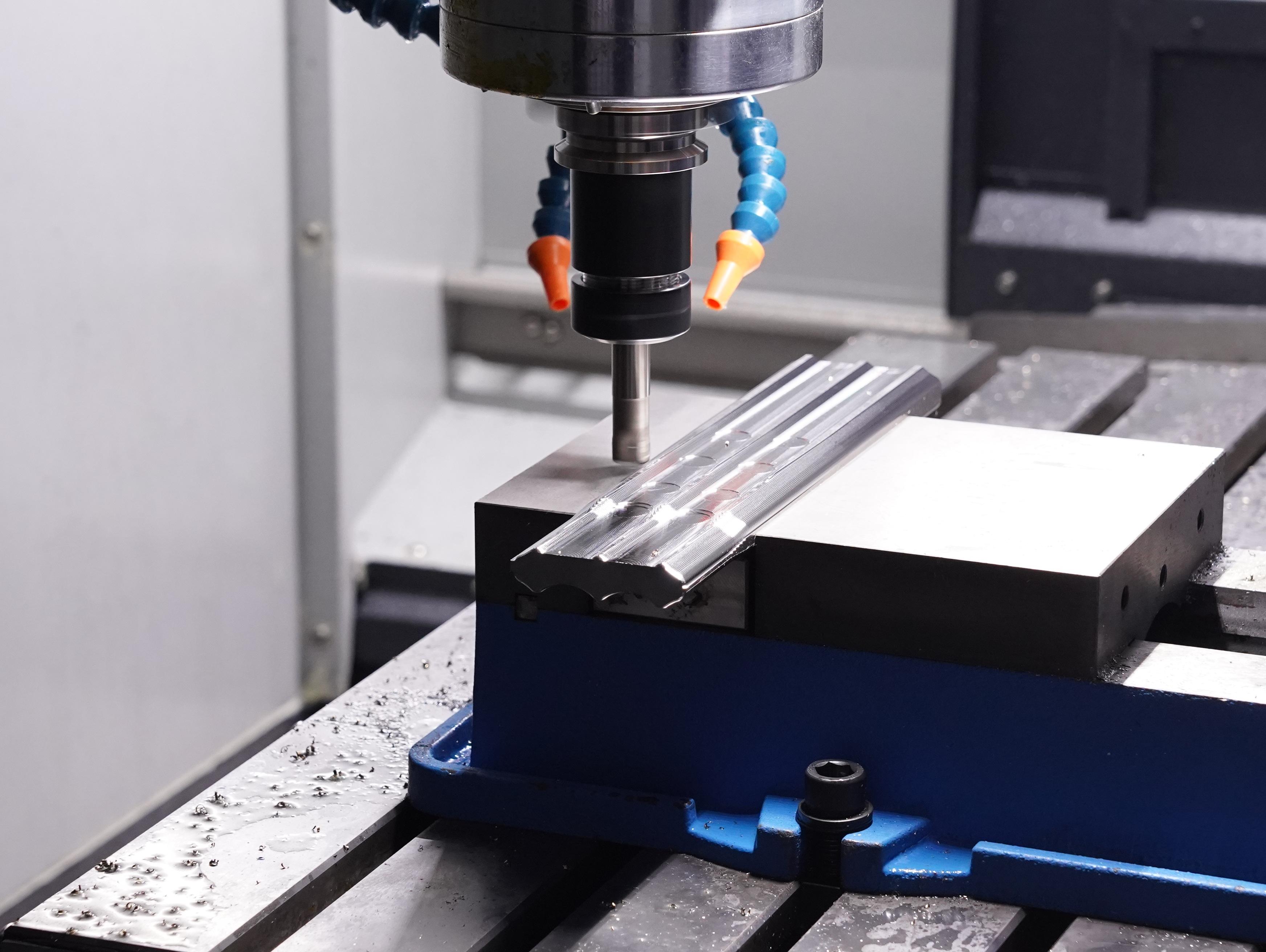
Which machine should you shortlist?
Start with a drill-tap center if the same small parts repeat in meaningful volume, drilling and tapping dominate the measured cycle, and its milling capability can finish the drawing without another setup or supplier.
Start with a general-purpose machining center if the part needs substantial milling or boring, the mounted fixture exceeds the smaller machine’s usable space or load, or combining operations removes a paid outside step. If the shop handles frequently changing drawings, include the cost of each changeover in the comparison.
Neither choice should be made from spindle speed or purchase price alone. For example, an 8,000 rpm BT40 machine and a faster-spindle drill-tap center may perform very differently on small drills and larger milling cutters. Ask for results using the cutters specified for your job.
Bottom line: The drill-tap center is usually more cost-effective for repeat hole-heavy parts it can finish on its own. The machining center can be more cost-effective when its extra capability removes setups, outsourcing, or rejected work. Run the same part on both, then compare cost per accepted part at your expected annual volume.